
Esta guía todavía no está disponible en Español. Se muestra el original en inglés.
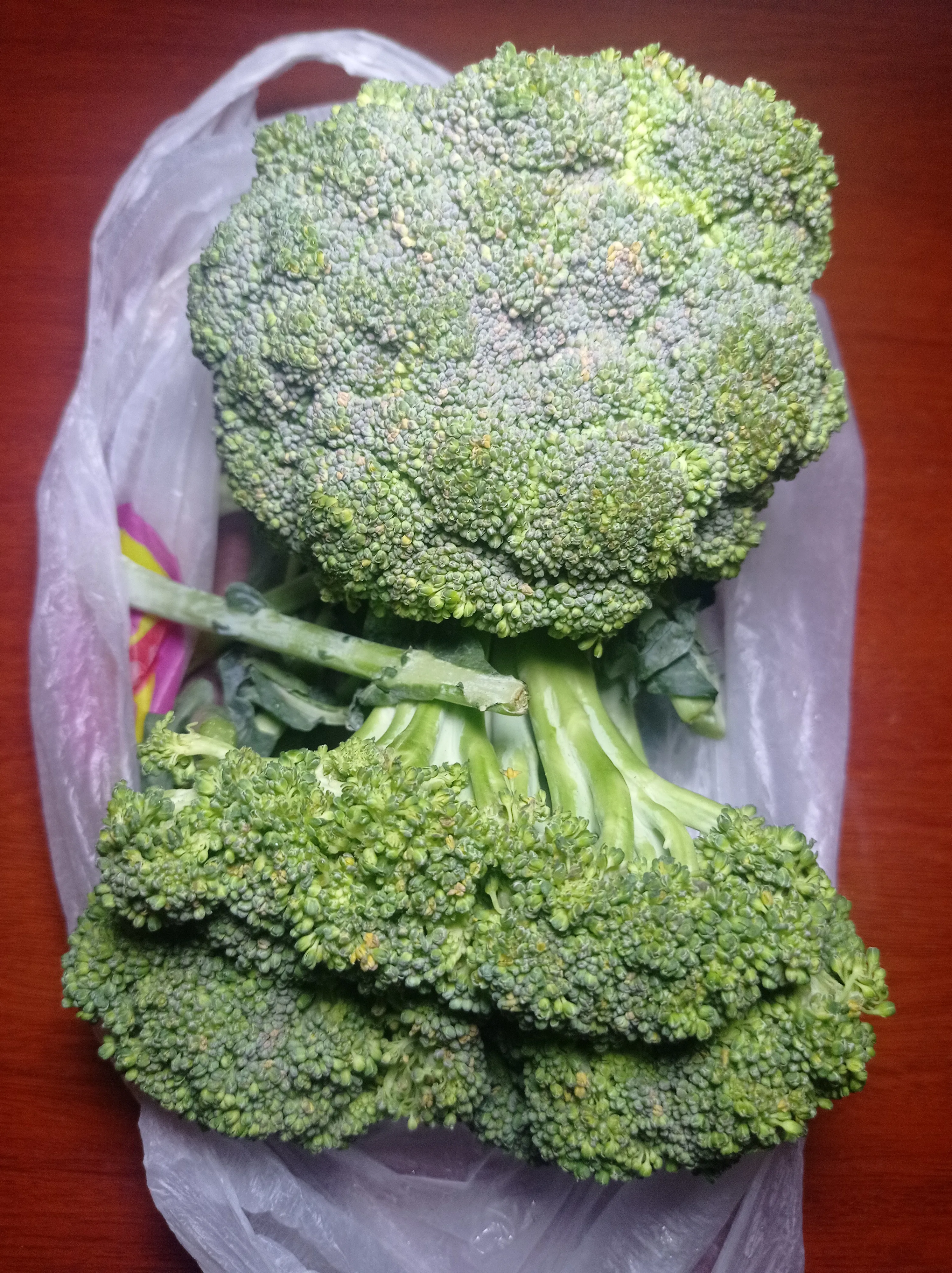
A broccoli head isn't a vegetable holding steady until you get around to picking it. Per UMN Extension, it's a cluster of unopened flower buds, and once those buds start opening, the head is done, permanently, not just past its best. What that actually changes about when to cut it.
Tom Marsh
I grow food: vegetables, herbs, fruit. I try to be honest about yield. Celery regrown from a scrap gives you one modest bonus harvest, not a new celery, and I'd rather say so than sell you the photo. When a timing or a number comes from my own kitchen rather than a source, I label it that way in the guide.
My Garden Journal
What You're Actually Cutting
Most vegetables sit in a holding pattern once they reach a usable size: a squash gets a little bigger, a carrot a little woodier, but you have days of slack. Broccoli doesn't work that way. Per University of Minnesota Extension: "Small, edible floral shoots make up a broccoli plant's head." The tight green dome you're cutting is thousands of unopened flower buds on short stalks, not a fruit or a storage organ. It has one developmental direction: open into yellow flowers. There's no ripening plateau to catch it on.
That's also why the plant is edible in more than one place. Per UMN, "you can eat the tender, bright green flower stalks and undeveloped flowers raw as part of a vegetable platter," and separately, "the leaves of broccoli plants are edible. Use them as you would kale or collards." The plant, Brassica oleracea var. italica, is the same species as cabbage, cauliflower, and kohlrabi, which is why it shares most of that family's diseases and rotation needs even though the harvested part looks nothing like any of them.
Two Plantings, Two Different Jobs
Per UMN, spring and fall broccoli want different varieties for a reason. Spring varieties need heat tolerance and a short cycle, 50 to 60 days to harvest, because "summer heat harms the quality of the developing head" even though "heat while the leafy broccoli plant is growing is fine." Fall varieties run longer, 60 to 85 days, so the head forms once the weather has already started cooling.
Start spring seeds indoors early to mid-April. For fall, start indoors or direct-seed early to late July; if direct-seeding, drop three seeds every 8 to 10in and thin to one seedling per spacing once they emerge. Move transplants out at 8 to 10in spacing once they have four or five true leaves, roughly four weeks after sowing.
Water Stress Shows Up in the Head, Not the Leaves
Per UMN: "to produce sweet, flavorful, firm, non-bitter heads, the plants must not experience water stress." Without an inch of rain a week, soak the soil thoroughly at least once a week, more often if it's sandy. This isn't a leaf-wilting problem you can catch and fix in a day; a stressed plant, per UMN, is also one of the named causes (along with nutrient deficiency and bad transplant timing) of a small, disappointing head forming in the first place. The damage is done before the head shows it.
Harvest: A Countdown, Not a Window
Per UMN: "Harvest broccoli when heads reach a usable size, while they are still tight and before flower buds have opened." Cut the head with a short stalk and leave the rest of the plant in the garden. That's deliberate: "many smaller heads, side shoots, will begin to form after removing the central head." UMN doesn't put a number on how many side shoots or how big they get, only that they follow, so treat the second harvest as a real but unquantified bonus, not a guaranteed yield you can plan around.
The part that trips people up is the ending. Per UMN: "no matter the weather, harvest promptly once it is mature, as it does not keep its quality. If you miss the chance to harvest, and flowers are beginning to open, immediately cut the head." UMN doesn't give a specific number of hours or days between "buds starting to open" and the head being not worth eating, just that word: immediately. Read it as zero slack, not "a day or two of grace," since the source gives no grace period at all.
Cold doesn't threaten a mature head the way heat does. Per UMN, "broccoli has some cold tolerance. It will continue to grow after the first light frosts in the fall," so a fall-planted crop has more margin at the end of its season than a spring one does at the start of summer.
What Actually Goes Wrong
Per UMN, hot weather, specifically 86F days and nights over 77F, "can cause broccoli to grow no crown," though "plants may produce a crown if it cools off." Boron deficiency can turn the florets brown. Watch for the shared brassica diseases too: alternaria (leaf spots and crown rot), black rot (yellow triangles at leaf edges, crown rot), and clubroot (swollen, stunted roots). All three are reasons UMN gives a four-year rotation rule: don't replant where cabbage, cauliflower, broccoli, Brussels sprouts, collards, kale, mustard, turnip, or rutabaga grew in the previous four years.
What This Is (and Isn't) Worth
Worth doing: a crop that rewards checking on it daily once the head starts forming, and pays you twice, main head plus an unquantified but real round of side shoots afterward. The leaves are genuinely edible too, not a consolation prize.
Not worth doing: treating it like produce you can leave "one more day." Per UMN's own word, once the buds start opening the fix is to cut immediately, not to wait and see. If your schedule doesn't let you check a garden daily near harvest time, expect to lose heads to open flowers some seasons, that's a real limitation of the crop, not a mistake you're making.
Related Guides
- Kohlrabi: The Bulb Is a Stem, Not a Root, the nearest guide by species (both Brassica oleracea, UMN names them as relatives directly) but the confusion runs opposite ways: kohlrabi's edible part is the wrong organ, broccoli's is the wrong behavior.
- Growing Radishes: Why Crowded Roots Never Bulb, the nearest guide by consequence (both have a genuine point-of-no-return harvest window) though the trigger differs: radish bolts from heat or crowding, broccoli's head opens on its own schedule once mature.
- Turnip Greens: A Real Crop, Not a Kitchen-Scrap Trick, a genuine rotation-family link (both on UMN's own four-year brassica rotation list, sharing clubroot and black rot risk).
FAQ
Is the broccoli head a vegetable or a flower?
Per UMN Extension, it's a cluster of unopened flower buds: "small, edible floral shoots make up a broccoli plant's head." It's harvested and eaten before those buds open, not after, which is why timing matters more than it would for a fruit or root vegetable.
How long do I have once the buds start opening?
UMN doesn't give a number of hours or days, only "immediately cut the head" once flowers begin opening. This guide states that as the source's own word rather than inventing a grace period; treat it as effectively zero slack.
Will I get more broccoli after I cut the main head?
Per UMN, yes, smaller side shoots form after the central head is removed, but the source doesn't quantify how many or how large. Expect a real second harvest, not a guaranteed weight you can plan a meal around.
Can I eat the broccoli leaves?
Yes. Per UMN, "the leaves of broccoli plants are edible. Use them as you would kale or collards," including purple-tinged varieties, whose color usually fades to green on cooking.
Temas Relacionados
Compartir Esta Guía
Guías Relacionadas
Sigue aprendiendo con estas guías relacionadas
También en Vegetables
Ruibarbo: El Tallo Es Comida, la Hoja No
Espárragos: Los Dos Años Que No Cosechas
Alcachofas de Jerusalén (Tupinambo): A Qué Te Comprometes Realmente
Rebrote de la Copa de un Rábano a Partir de un Resto de Cocina: Lo Que Realmente Obtienes