
Cut the head, pull the stump, done, that's how most people grow cabbage. Per the Old Farmer's Almanac, leaving the roots and outer leaves in place instead gets you a second round of small heads, tennis ball-sized, good for salads. Not a second cabbage. A real but modest bonus most people compost by accident.
Tom Marsh
I grow food: vegetables, herbs, fruit. I try to be honest about yield. Celery regrown from a scrap gives you one modest bonus harvest, not a new celery, and I'd rather say so than sell you the photo. When a timing or a number comes from my own kitchen rather than a source, I label it that way in the guide.
My Garden Journal
What You Throw Away Can Regrow
Cabbage is usually treated as a one-shot crop: cut the head, pull the whole plant, replant next season. Per the Old Farmer's Almanac, that throws away a second, smaller harvest. "To get two crops, cut the cabbage head out of the plant, leaving the outer leaves and roots in the garden. The plant will send up new heads; pinch off those until only four or so smaller heads remain. Harvest when tennis ball-sized (perfect for salads)."
Read the scale honestly before you get excited: tennis-ball heads, "four or so" of them if you pinch back the extras, salad-sized, not a second batch of coleslaw or sauerkraut. This is the same plant sending up side shoots from tissue that's already there, not a fresh crop from seed. It costs you nothing but the stump you were going to pull anyway.
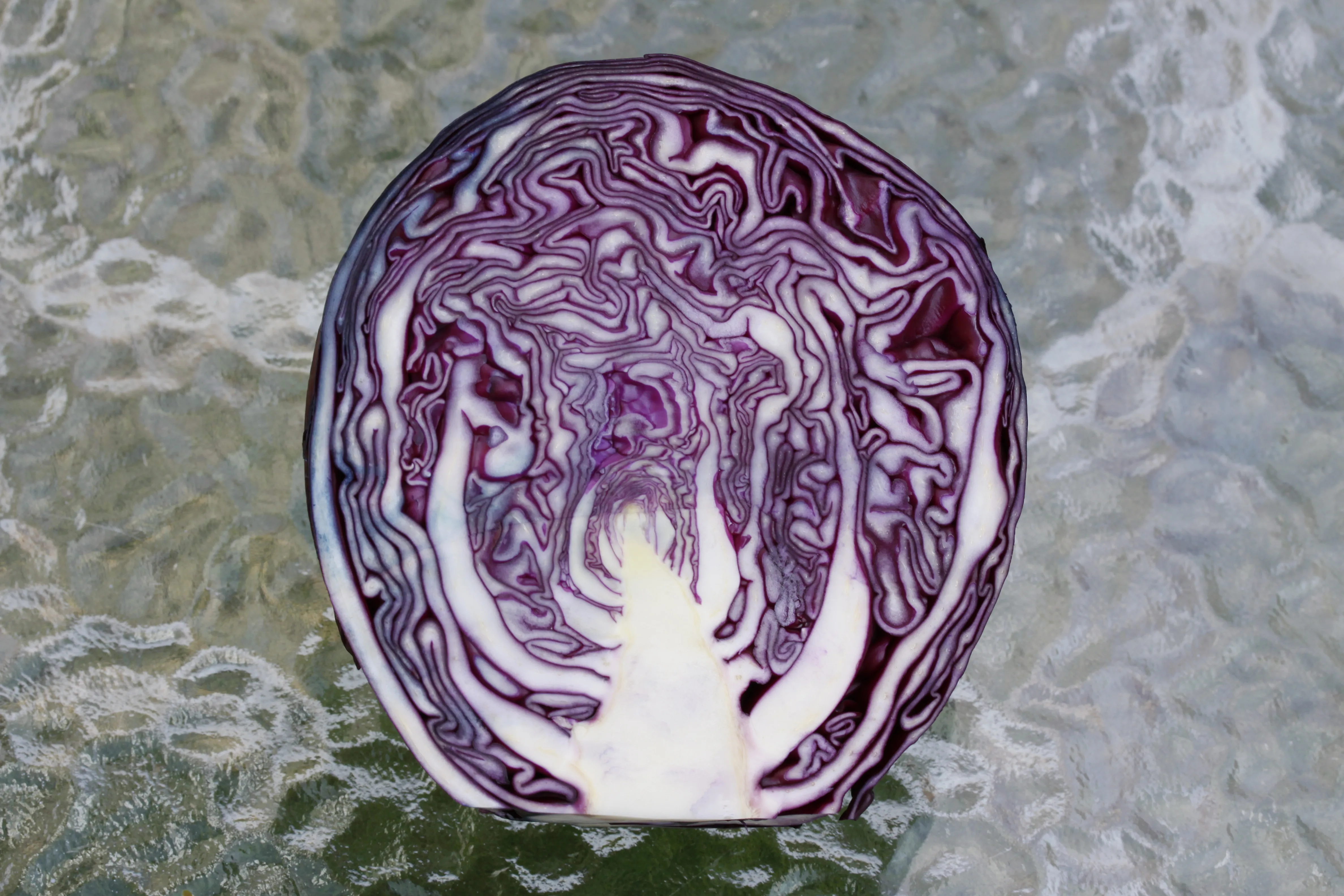
Cutting the First Head Right Sets Up the Second
Per the Almanac: "Harvest when heads reach the desired size and are firm. Mature heads left on the stem may split. Days to maturity is around 70 days for most green cabbage varieties, and most produce 1- to 3-pound heads." Cut promptly once firm, waiting for a bigger head risks splitting, especially after heavy rain following a dry spell.
To harvest: "cut each cabbage head at its base with a sharp knife. Remove any yellow leaves (retain loose green leaves; they provide protection in storage) and immediately bring the head indoors or place it in the shade." The part that matters for a second harvest is what you don't do: don't pull the plant. Leave the outer leaves and the root system in the ground.
Splitting Is the Main Way You Lose the First Head
John Schoenhals, Agriculture Educator at Ohio State University Extension, quoted via the Almanac: "As cabbage heads mature, they become prone to splitting in response to heavy rainfall, especially following dry weather. To minimize head splitting, avoid late-season fertilization, provide adequate water throughout the growing season, and harvest heads as soon as they are firm. In addition, pruning roots with a shovel on one side of the plant, or twisting the plant after the heads have firmed, will break roots and prevent the uptake of excess water."
That's a genuine trade-off worth naming: root-pruning or twisting to prevent splitting works against the second harvest, since a second flush of heads needs an intact root system to draw on. If you want the stump regrowth, prioritize even, steady watering over the season instead of the root-disruption trick, and accept some split-risk as the cost of keeping the roots whole.
What The Second Flush Actually Looks Like
Once the main head is off and the outer leaves and roots are left in place, the plant sends up multiple new heads from the cut area. The Almanac's own instruction is to pinch off the extras, leaving "four or so smaller heads." Let those size up and harvest each "when tennis ball-sized." The source doesn't give a day count for how long that takes or say how many of the four reliably make it to harvestable size, so this guide won't invent one either; treat it as a real but unquantified bonus, sized for a salad, not a meal plan.
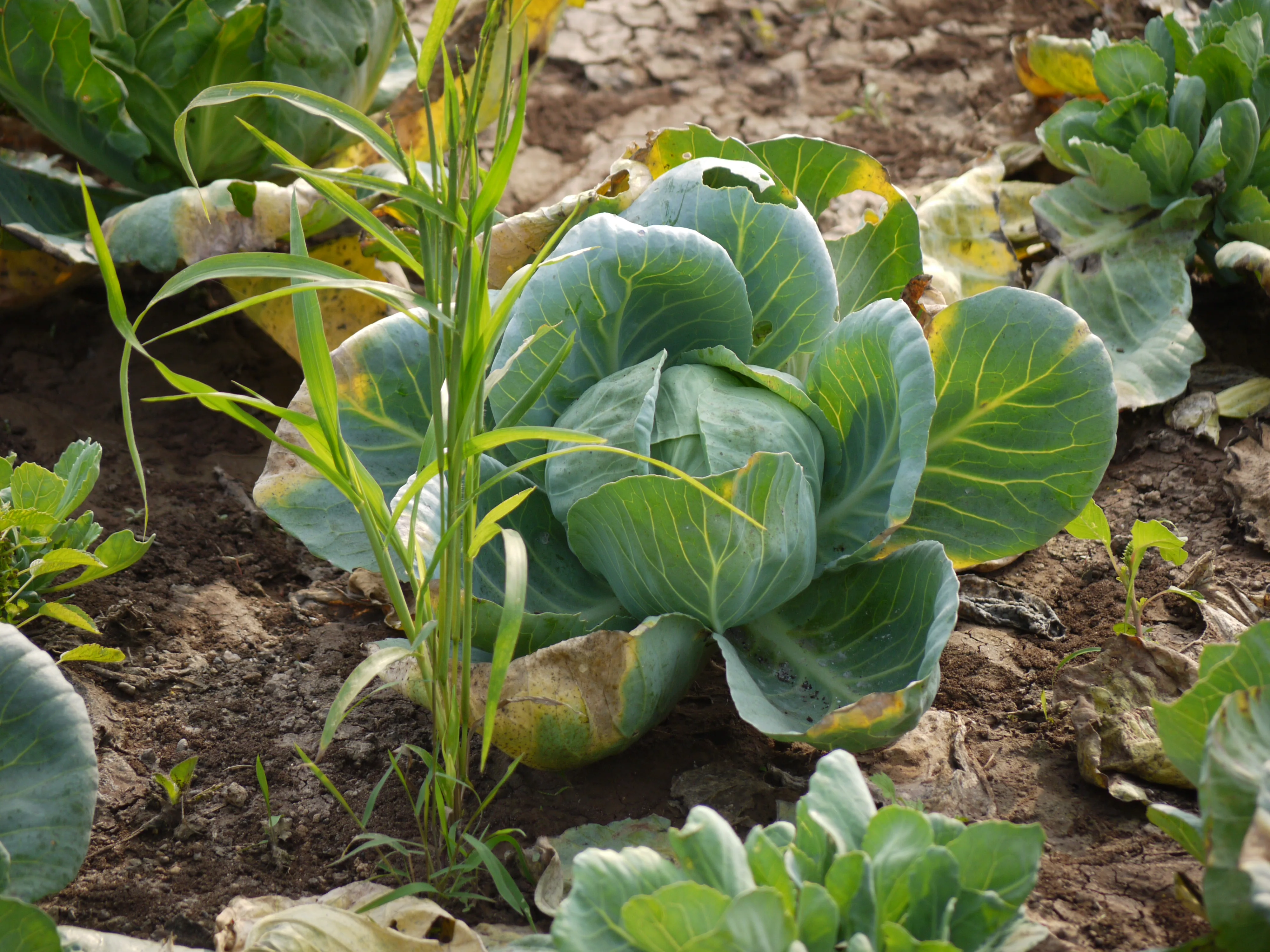
Cold Helps, Disease Cleanup Doesn't Wait
Per the Almanac, "winter cabbages are sweeter after a light frost," so a fall-timed second flush can actually improve in flavor as the weather turns, the same cold tolerance that helps a first fall head applies to the smaller second ones.
Once you're done taking heads, tracked or not: "remove the entire stem and root system from the soil to prevent disease. Only compost healthy plants; destroy any with maggot infestation." Leaving a spent cabbage stump in the ground past its usefulness is a disease risk, not a free-standing perennial you can ignore.
What This Is (and Isn't) Worth
Worth doing: it costs nothing beyond leaving the stump in place instead of pulling it, and it turns waste into a genuine second cut. If you're already growing cabbage, there's no reason to skip it.
Not worth doing: planning a garden around it, or expecting anything close to a second full-sized head. Four salad-sized heads from one stump is a bonus on top of the crop you already grew, not a doubling of your cabbage yield. If your season is short enough that the first head barely makes it to harvest before frost, there may not be time left for a second flush to size up at all, that's a real seasonal limit, not a mistake in technique.
Related Guides
- Kohlrabi: The Bulb Is a Stem, Not a Root, the nearest guide by species (both Brassica oleracea), though the confusion runs differently: kohlrabi's edible part is mistaken for the wrong organ, cabbage's stump isn't mistaken for anything, it's just usually discarded.
- Turnip Greens: A Real Crop, Not a Kitchen-Scrap Trick, the nearest guide by pattern (a second, smaller harvest from a plant instead of starting over), though turnip regrowth is leafy greens from the crown, not a second head.
- Bok Choy Base Regrowth From a Kitchen Scrap: What You Actually Get, the nearest guide by mechanism (new growth from tissue left behind after the first cut), though bok choy regrowth is windowsill scrap regrowth over weeks, not a second field harvest from a plant still rooted in the garden.
FAQ
Do I need to replant anything to get a second cabbage harvest?
No. Per the Old Farmer's Almanac, you leave the outer leaves and roots of the same plant in the garden after cutting the main head, and it sends up new heads on its own. No new seed, no transplant.
How big will the second heads get?
Small. The Almanac's own benchmark is "tennis ball-sized (perfect for salads)," a fraction of the 1 to 3 pounds a full first head reaches. This is a bonus harvest, not a second full-sized crop.
Should I thin the new heads that come up?
Yes. Per the source, pinch off the extra new heads "until only four or so smaller heads remain," then let those size up to harvest.
Does leaving the stump in the ground risk disease?
Only if you leave it indefinitely. The Almanac's own harvest routine ends with removing "the entire stem and root system from the soil to prevent disease" once you're finished taking heads from it, compost it if healthy, destroy it if maggot-infested.
Related Topics
Share This Guide
Related Guides
Continue learning with these related guides